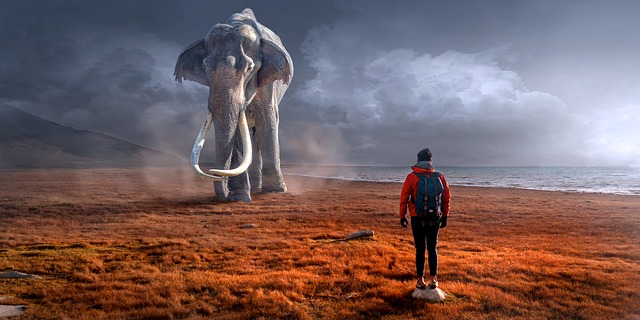
Mammoth Cave National Park offers a multifaceted experience with its vast underground cave system, diverse surface trails, and scenic river bluffs. Visitors can explore geological wonders, historical artifacts, and rich cultural narratives through guided tours and hiking trails catering to various skill levels. Key highlights include stalactites, mineral formations, panoramic canyon views, Native American rock art, and a vibrant ecosystem of flora and fauna. The park's surface trails showcase majestic landscapes, wildflower meadows, and diverse wildlife, while strategic overlooks provide breathtaking vistas of the surrounding terrain. Mammoth Lakes in California offers a blend of history, culture, gastronomy, and outdoor recreation, with iconic Mammoth Canyon as a central attraction for hiking, rafting, and museum visits. Seasonal activities and closures vary, emphasizing planning for optimal experiences of what to see in Mammoth naturally.
Mammoth Cave National Park, a vast expanse of protected land in Kentucky, USA, is renowned for its intricate cave system and unparalleled biodiversity. However, navigating the park’s 80+ miles of trails can be overwhelming for visitors, especially those seeking to maximize their above-ground exploration. This article offers an authoritative guide to deciphering Mammoth Cave’s visual landscape, providing a comprehensive map that highlights what to see in mammoth—from majestic river bluffs and ancient forests to dramatic cave entrances and diverse wildlife habitats. By the end, readers will possess the knowledge to embark on truly immersive adventures within this natural treasure trove.
- Exploring Mammoth Cave's Underground Wonders
- Surface Trails: What to See in Mammoth
- River Bluffs and Scenic Overlooks
- Historic Sites and Cultural Heritage
- Unique Dining Experiences in the Region
- Outdoor Adventures and Natural Attractions
Exploring Mammoth Cave's Underground Wonders
Mammoth Cave National Park is renowned for its expansive underground network of caverns and tunnels, a labyrinthine world that has captivated explorers and scientists alike. For those seeking to explore this subterranean wonderland, the park offers a variety of trails and tours designed to showcase its unique geological features and rich history. One of the standout experiences is the chance to witness the vast canyon views that stretch for miles beneath your feet.
The Mammoth Cave system itself is the longest-known cave network on Earth, with over 400 miles of explored passages. This immense size provides visitors with a diverse array of what to see in Mammoth Cave, from towering stalactites and stalagmites to intricate mineral formations that have taken millions of years to form. Guided tours are available for different levels of experience, ensuring that both novice and expert cavers can safely appreciate the park’s wonders. During these trips, visitors often encounter unexpected phenomena, such as the faint glow of bioluminescent bacteria or the eerie silence broken only by the sound of dripping water.
For those seeking a more panoramic perspective, several overlooks offer breathtaking mammoth canyon views. These vantage points allow you to take in the vast expanse of the underground landscape, providing a unique and humbling experience. Points like the Green River Overlook or the Natural Bridge Entrance offer not just visual splendor but also an appreciation for the scale and complexity of the cave system. By combining guided tours with these scenic overlooks, visitors can gain a deeper understanding of the geological processes that have shaped Mammoth Cave over millennia.
In addition to its natural beauty, Mammoth Cave is rich in cultural history. Ancient Native American artifacts and rock art offer glimpses into the lives of those who once inhabited this subterranean realm. The park’s interpreters and guides are well-versed in these historical narratives, enhancing the exploration experience with stories of past inhabitants and their connections to the cave. This blend of natural wonders and cultural heritage makes Mammoth Cave a destination that transcends mere sightseeing, offering visitors an immersive journey into Earth’s hidden depths.
Surface Trails: What to See in Mammoth
Mammoth offers a wealth of experiences for those seeking to explore its expansive wilderness through surface trails. The park’s network of trails provides access to breathtaking landscapes, diverse ecosystems, and unique geological formations. One of the standout features is the opportunity to witness majestic mammoth canyon views that stretch as far as the eye can see. These panoramic vistas, framed by towering cliffs and vibrant wildflower meadows, offer a truly memorable experience for visitors who venture onto these scenic routes.
For those interested in what to see in Mammoth naturally, the park boasts an incredible array of flora and fauna. Hikers can spot diverse bird species, including rare birds of prey that frequent the open skies above. The trails meander through forests of aspen, pine, and oak trees, each offering its own distinct beauty and seasonal changes. Wildflowers bloom profusely during the warmer months, painting the landscape with vibrant colors that attract butterflies and bees. For wildlife enthusiasts, keeping an eye out for elk, mule deer, and even black bears is a thrilling prospect.
Surface trails in Mammoth cater to various skill levels, from easy walks through tranquil meadows to more challenging hikes that ascend into rugged terrain. The historic Mammoth Creek Trail offers a gentle introduction to the park’s natural wonders, while the more adventurous might tackle the steep ascents of the Mountain View Trail, which unveils spectacular vistas at every turn. For those seeking a truly immersive experience, backpacking options allow visitors to spend multiple days exploring remote areas and sleeping under the stars, immersing themselves in what to see in Mammoth naturally.
In addition to these natural attractions, many trails in Mammoth are rich in cultural history. Artifacts from Native American settlements, as well as remnants of mining and ranching eras, can be found along certain routes. Exploring these trails not only provides physical exercise but also offers a deeper understanding of the region’s complex past. By following these surface trails, visitors can uncover hidden gems, enjoy mammoth canyon views, and immerse themselves in the enduring spirit of Mammoth’s natural and cultural heritage.
River Bluffs and Scenic Overlooks
Mammoth offers a stunning array of river bluffs and scenic overlooks that are sure to take your breath away. These natural wonders, often overshadowed by the vastness of the canyon itself, provide visitors with unique perspectives and breathtaking vistas. One of the most notable features is the series of jagged peaks that line the river, their craggy faces rising sharply from the waters below. These bluffs are not just visually striking; they also offer a diverse range of hiking trails for all skill levels, allowing you to explore every angle of these majestic formations.
For those seeking the ultimate in mammoth canyon views, several strategic locations throughout the area provide panoramic vistas that seem to stretch on forever. One such spot is the scenic overlook near the Mammoth Cave National Park Visitor Center. Here, you can stand on a jutting point of land and gaze out over the meandering river far below, with towering cliffs on either side framing the scene like monumental sentinels. Another highly recommended viewpoint is at the confluence of the Green River and the North Fork, where the waters meet in a peaceful pool surrounded by rugged terrain, offering both tranquility and awe-inspiring beauty.
Exploring these river bluffs and scenic overlooks not only rewards you with unforgettable visual experiences but also provides an opportunity to immerse yourself in Mammoth’s rich geological history. The area is renowned for its complex layering of rock formations, some dating back millions of years, making it a paradise for geologists and outdoor enthusiasts alike. Whether you’re a seasoned hiker or just looking for a peaceful moment surrounded by nature, what to see in mammoth related to river bluffs and scenic overlooks offers something truly special for everyone.
Historic Sites and Cultural Heritage
Mammoth Lakes, nestled within California’s stunning Sierra Nevada range, is a haven for outdoor enthusiasts and history buffs alike. The region boasts an array of historic sites and cultural heritage landmarks that offer visitors a unique glimpse into its rich past. Exploring these gems provides an invaluable understanding of the area’s indigenous roots, pioneer struggles, and the vibrant community it has become today.
One cannot talk about what to see in Mammoth naturally without mentioning the iconic Mammoth Lakes Historical Museum. This institution stands as a testament to the region’s history, showcasing exhibits that detail the lives of early settlers and native tribes who called this place home. Artifacts, photographs, and narratives bring to life the struggles and triumphs of the past, offering visitors an immersive experience. For instance, displays often highlight the significance of Mammoth Canyon, where indigenous peoples once foraged and the first settlers found their way. The museum’s collection reflects the area’s diverse cultural tapestry, from the Mono tribe’s traditional arts to the logging and mining industries that shaped the town’s identity.
The historic charm extends beyond museums. Walking through downtown Mammoth, visitors will discover charming buildings that house quaint shops and restaurants, many of which have been in operation for decades. The area’s artistic community is vibrant, with galleries showcasing local talent inspired by the majestic surroundings. Exploring these cultural hotspots provides a deep dive into the community’s heritage and creativity. Furthermore, outdoor enthusiasts can immerse themselves in the natural beauty by hiking through Mammoth Canyon, where breathtaking views offer a tangible connection to the region’s past, present, and future. These diverse experiences paint a comprehensive picture of Mammoth Lakes’ historic sites and cultural heritage.
Unique Dining Experiences in the Region
The Mammoth region is a treasure trove for food enthusiasts seeking unique dining experiences. What to see in mammoth naturally unfolds through its diverse landscapes, offering adventurous chefs and curious palates an array of culinary delights. Imagine savoring locally sourced delicacies while enjoying breathtaking mammoth canyon views—an integral part of the immersive dining journey. One standout destination is The Cook’s Den at Mammoth Mountain Resort, where seasonal menus highlight organic produce from nearby farms, ensuring each bite reflects the region’s vibrant ecosystem.
For a truly unforgettable meal, explore the rustic charm of Canyon View Restaurant, nestled amidst the majestic peaks. This culinary haven not only offers panoramic views of mammoth canyon but also crafts dishes that pay homage to the area’s rich cultural heritage. Local ingredients meet innovative presentation, creating a dining experience that transcends mere sustenance. Moreover, the region’s renowned wine and craft beer scene adds another layer to the sensory adventure, making each visit a memorable blend of gastronomy and natural splendor.
Experts recommend engaging with local chefs who embrace sustainability and culinary creativity. Many restaurants in the area participate in farm-to-table initiatives, ensuring that what you see on your plate is a true reflection of what’s naturally available. Whether you’re an outdoor enthusiast or a cultural connoisseur, these unique dining experiences promise to elevate your sense of place while satisfying your appetite for exceptional cuisine.
Outdoor Adventures and Natural Attractions
Mammoth Lakes, nestled within California’s stunning Eastern Sierra range, offers a breathtaking tapestry of outdoor adventures and natural attractions. For those seeking to immerse themselves in the raw beauty of nature, this vibrant community provides an unparalleled backdrop for exploration. The area boasts diverse landscapes that include majestic mountain ranges, vast forests, and pristine lakes, making it a haven for outdoor enthusiasts year-round.
One of the most iconic sights is Mammoth Canyon, renowned for its awe-inspiring views that stretch from the towering peaks to the meandering river. Visitors can engage in a variety of activities here, from hiking trails that wind through ancient bristlecone pines to whitewater rafting on the East River, offering unique perspectives of the canyon walls. For a more relaxed experience, exploring the Mammoth Lakes Natural History Museum allows one to delve into the region’s rich geological and ecological history. The museum showcases exhibits highlighting the area’s volcanic past and the remarkable adaptation of its plant and animal life.
In winter, Mammoth transforms into a snow-covered wonderland, attracting skiers and snowboarders from around the globe. The Mammoth Mountain Ski Area boasts one of the longest ski seasons in North America thanks to its high elevation and reliable snowpack. Beyond skiing, snowshoeing and cross-country skiing trails meander through quiet aspen groves and along frozen lakes, providing serene experiences amidst the majestic surroundings. For a truly memorable adventure, consider a night hike under the starry sky—Mammoth’s clear air enhances the awe-inspiring vistas of the cosmos.
Planning your visit? Spring and fall offer particularly pleasant weather for exploring Mammoth’s natural wonders. Keep in mind that while many outdoor activities are year-round, some trails and services may have seasonal closures. Consult local resources and plan accordingly to make the most of what Mammoth has to offer naturally.