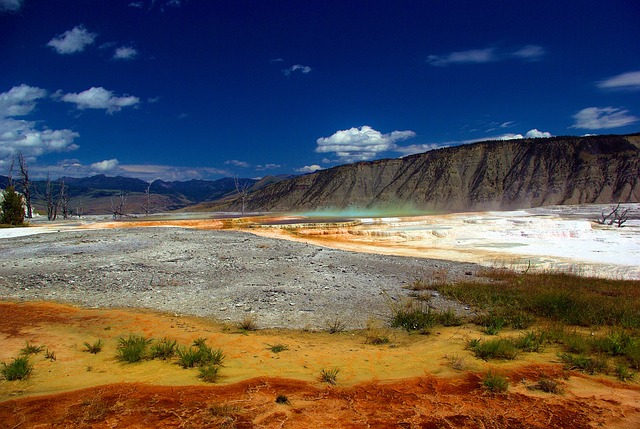
Icon maps enhance visitor experiences at historic sites like Mammoth Canyon by simplifying orientation, highlighting key features, and fostering deeper connections with nature. Mammoth's historical landscape offers archaeology, history, and natural beauty, from ancient petroglyphs to ghost towns and majestic canyon views. Icon meanings educate visitors about site history and culture; actively seeking them out enhances understanding of what to see in Mammoth naturally. Mammoth Lakes provides year-round exploration of stunning landscapes, rich history, and cultural attractions, culminating in comprehensive appreciation of the area's offerings.
The historic Mammoth Cave System, a geological marvel and UNESCO World Heritage Site, stands as a testament to nature’s boundless wonders. However, navigating its vast expanse can be daunting for both seasoned cavers and curious visitors alike. This article serves as your authoritative guide, offering insights into the cave’s iconic map and highlighting what to see along the way. Understanding this map is crucial not only for safety but also for appreciating the cave’s intricate formations and rich history. By the end, you’ll be well-equipped to embark on a memorable journey through Mammoth’s underground realm, where every turn reveals new, breathtaking sights.
- Understanding Historic Site Icon Maps: A Primer
- Exploring Mammoth's Rich Historical Landscape
- Decoding Icon Meanings: What Each Symbol Represents
- Top Sites to Visit in Mammoth: A Comprehensive Guide
Understanding Historic Site Icon Maps: A Primer
Understanding Historic Site Icon Maps: A Primer
Icon maps are a powerful tool for navigating and interpreting complex landscapes, particularly when exploring historic sites. These visual aids use symbols to represent key features, offering visitors an intuitive guide to what they can expect to see. In the context of mammoth naturally occurring sites, such as Mammoth Canyon, these maps provide crucial insights into the unique geological formations and ecological diversity that draw adventurers and scholars alike.
At its core, a historic site icon map serves several purposes. Firstly, it simplifies the process of orienting oneself within an often vast and intricate area. For instance, in Mammoth Canyon, symbols might indicate notable rock formations, archaeological sites, or scenic overlooks, allowing visitors to quickly identify areas of interest without needing extensive prior knowledge. Secondly, these maps highlight the stories and significance of various landmarks, offering a glimpse into the region’s rich history and cultural heritage. A well-designed icon map for Mammoth Canyon could feature symbols for ancient Native American petroglyphs, evidence of past glaciation, or rare plant species, each providing a window into the site’s multifaceted narrative.
Beyond informational value, icon maps foster a deeper connection with natural landscapes. They encourage exploration and discovery by guiding users to see beyond the obvious. In Mammoth Canyon, for instance, an icon map might direct visitors to lesser-known but ecologically significant areas teeming with wildlife or hidden geological wonders. This approach not only enhances the visitor experience but also promotes responsible stewardship of these precious sites. By understanding what to look for based on the map’s symbols and insights, adventurers can appreciate and respect the natural and cultural tapestry of historic locations like Mammoth Canyon.
For those seeking to create effective icon maps, several key considerations come into play. First, accuracy is paramount. The mapping should reflect the actual features present in the landscape, utilizing reliable data and firsthand observation. In the case of Mammoth Canyon views, ensuring that symbols accurately represent panoramic vistas or specific geological points of interest is crucial for a meaningful experience. Additionally, simplicity and clarity are vital to make the map accessible to a broad audience. Well-designed icons with straightforward labels enable visitors from all backgrounds to interpret and engage with the map effectively. Lastly, incorporating local expertise ensures that cultural nuances and hidden gems are appropriately highlighted, enriching the overall visitor journey through historic sites.
Exploring Mammoth's Rich Historical Landscape
Mammoth’s rich historical landscape offers visitors a unique opportunity to delve into the region’s past, with numerous sites that paint a vivid picture of its diverse cultural heritage. Exploring what to see in Mammoth naturally blends outdoor adventure with cultural immersion. The area boasts a tapestry of historic spots, from ancient petroglyphs to remnants of early mining operations and pioneer settlements. One of the standout features is the majestic Mammoth Canyon views, offering breathtaking vistas that have inspired artists and residents alike for generations.
As you wander through this historical landscape, you’ll encounter artifacts that tell stories of Native American cultures that once thrived here, dating back thousands of years. The canyon walls are adorned with intricate rock art, providing a glimpse into the spiritual and ritual lives of these ancient peoples. Moreover, the area’s mining history is evident in the remnants of old mines and the ghost towns that sprang up during boom times. Visiting these sites offers a tangible connection to Mammoth’s past prosperity, particularly during the late 1800s when it was a bustling hub for prospectors and entrepreneurs.
To fully appreciate Mammoth’s historical richness, consider joining guided tours led by local experts who can provide insights into the area’s diverse heritage. These excursions often include visits to lesser-known sites, ensuring you discover hidden gems off the beaten path. Whether your interest lies in archaeology, history, or simply immersing yourself in nature with a side of narrative, Mammoth’s historical landscape promises an enriching experience that will leave you with unforgettable memories of its past and present wonders, including those stunning Mammoth Canyon views.
Decoding Icon Meanings: What Each Symbol Represents
Decoding Icon Meanings: What Each Symbol Represents
Understanding the iconic symbols adorning historic sites is akin to unlocking a secret code—a gateway to deeper appreciation of both the past and present. Each symbol tells a story, offering insights into the site’s history, culture, or natural significance. When visiting Mammoth, for instance, visitors are treated not just to breathtaking mammoth canyon views, but also to an array of carefully chosen icons that enrich their experience.
Consider the symbol depicting a grizzly bear. This is more than just a representation of the region’s fauna; it subtly conveys the area’s rich biodiversity and serves as a reminder of the delicate balance between human activities and nature. Similarly, a map pin may seem simple, but it guides visitors to crucial points of interest, ensuring they what to see in mammoth without missing a beat. The design of these icons is often informed by historical narratives, archaeological findings, or ecological truths, making them multifaceted tools for interpretation.
For instance, at Mammoth Canyon, the iconic symbols not only orient visitors but also educate them on the geological history and significant cultural artifacts unearthed within its walls. A symbol depicting a Native American warrior could signify the area’s indigenous heritage while a stylized fossil might highlight the ancient life forms once thriving in these lands. By carefully observing these icons, visitors can piece together the multifaceted tapestry of Mammoth’s past and present, enjoying mammoth canyon views with a newfound appreciation for their historical context.
Expert advice for maximizing iconic symbolism: 1) Actively seek out these symbols during your visit—they’re designed to enhance your experience. 2) Don’t dismiss them as mere aesthetics; each holds a deeper meaning. 3) Engage with interpretive materials (signage, guided tours) that provide context for the icons you encounter. By doing so, you’ll not only gain a clearer understanding of the site but also enrich your overall visit to Mammoth’s historic treasures.
Top Sites to Visit in Mammoth: A Comprehensive Guide
Mammoth Lakes, nestled within the majestic Sierra Nevada mountains, offers visitors a stunning tapestry of natural wonders and outdoor adventures. Beyond its renowned ski resort, this vibrant year-round destination boasts an array of iconic sites that showcase the region’s breathtaking beauty and geological history. Whether you’re a nature enthusiast, a history buff, or simply seeking unforgettable experiences, exploring what to see in Mammoth naturally blends adventure with education, providing insights into the area’s rich ecological heritage.
One of the quintessential experiences is a visit to Mammoth Canyon, where rugged landscapes and diverse ecosystems unfold. The canyon offers panoramic views that stretch from ancient sequoia groves to craggy peaks, making it a prime spot for hiking, photography, and wildlife watching. Experts recommend venturing along the scenic trails that wind through the canyon, offering opportunities to discover rare flora and fauna while enjoying breathtaking vistas of Mammoth’s dramatic terrain. For a truly immersive experience, consider joining guided tours led by local naturalists who can provide valuable insights into the area’s complex geology and ecologically sensitive habitats.
Beyond Mammoth Canyon, the region boasts several other remarkable sites that cater to various interests. The historic Mammoth Mineral Museum invites visitors to delve into the area’s rich mining past, showcasing a fascinating collection of minerals, gems, and artifacts. For art enthusiasts, the local galleries display works inspired by Mammoth’s natural beauty, offering a glimpse into the creative spirit of the community. Moreover, nearby hot springs resorts provide a chance to unwind and rejuvenate while soaking in the soothing waters surrounded by majestic mountain scenery. By exploring these diverse attractions, visitors can gain a holistic appreciation for what to see in Mammoth, experiencing both its awe-inspiring natural landscapes and vibrant cultural offerings.