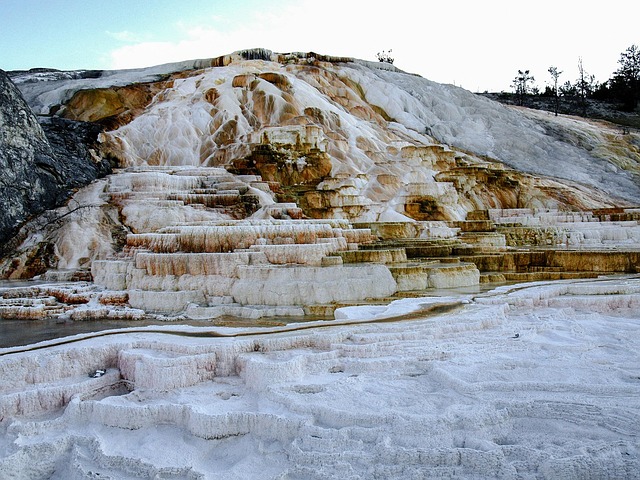
Icon maps are invaluable tools for navigating historic sites like Mammoth Canyon, offering a concise overview of key features and points of interest, including ancient rock art and archaeological landmarks. These maps transcend language barriers and educate visitors about the site's cultural context, guiding them to notable sights that reveal the area's rich history and natural wonders. Incorporating an icon map ensures a tailored yet well-rounded exploration experience in Mammoth, allowing tourists to uncover its multifaceted heritage while enjoying outdoor recreation. By engaging with Mammoth's narratives, visitors gain deeper appreciation for its present and future, fostering stewardship for its unique cultural and ecological treasures. What to see in mammoth naturally encompasses both these wonders, offering an unforgettable journey through time and space.
In the realm of historical preservation, understanding and navigating iconic sites is paramount for both researchers and visitors alike. This article delves into the significance of a Historic Site Icon Map, addressing a pressing challenge faced by many cultural heritage destinations. As visitors explore what to see in mammoth natural landscapes, maps serve as indispensable tools, offering an organized glimpse into the rich tapestry of our past. By providing clear directives and contextual insights, these maps facilitate immersive experiences while ensuring that the historical integrity of these precious sites is respected and maintained.
- Understanding Historic Site Icon Maps: A Beginner's Guide
- Decoding Symbols: What Each Icon Means in Mammoth
- Exploring Mammoth: Key Landmarks to Discover
- Icon Map Tips: Maximizing Your Historic Tour Experience
- Beyond the Map: Uncovering Hidden Gems in Mammoth's Past
Understanding Historic Site Icon Maps: A Beginner's Guide
Understanding Historic Site Icon Maps: A Beginner’s Guide
Icon maps are an essential tool for navigating and appreciating historic sites, offering a concise yet comprehensive overview of what to see and where. Each icon represents a specific feature or point of interest within the site, allowing visitors to quickly orient themselves and plan their exploration. These maps are designed to enhance the visitor experience by providing a visual language that transcends language barriers.
When exploring mammoth canyon views, for instance, look for icons depicting geological formations, hiking trails, and scenic overlooks. These symbols offer insights into the unique natural landscape and guide visitors to the most breathtaking vistas. Historic sites often encompass diverse elements, from ancient ruins to vibrant ecosystems, and icon maps help in deciphering these multifaceted environments. They are particularly valuable for first-time visitors who wish to make the most of their time by focusing on the highlights.
Expert mapmakers meticulously research and design each icon, ensuring they accurately represent the site’s attributes. This process involves consultation with historians, archaeologists, and local experts who provide insights into the significance of various features. The result is a visual narrative that not only guides but also educates, fostering a deeper understanding of the historic and cultural context. Icon maps are dynamic tools that evolve as sites change and new discoveries are made, ensuring visitors always have access to up-to-date information.
Decoding Symbols: What Each Icon Means in Mammoth
The decoding of symbols at Mammoth Historical Site offers a fascinating glimpse into the past, providing insights into how ancient people navigated and understood their surroundings. Each icon etched onto the rocks serves as a visual testament to the ingenuity and creativity of these early settlers. The primary focus here is on what to see in mammoth, not merely as a creature from history but as a symbol deeply intertwined with the landscape. Iconic symbols at Mammoth Canyon provide a unique window into Native American culture and their relationship with nature.
One prominent symbol depicts the majestic mountain range that towers over the canyon, representing the formidable strength and beauty of the natural world. This is a recurring theme in many of the rock art panels; the mountains are depicted as powerful beings, often intertwined with other elements like rivers and animals. These depictions suggest a deep spiritual connection between the people and their environment, where the mountains were seen not just as geographical features but as ancestral figures or sacred entities.
Mammoth Canyon views from these ancient paintings offer more than aesthetic appeal; they provide vital clues about the daily lives of these indigenous peoples. Certain icons illustrate hunting scenes, showcasing the importance of mammoths in their economy and diet. By analyzing these symbols, archaeologists can piece together information about the animals’ behavior, migration patterns, and even the tools used for hunting, all of which offer a more nuanced understanding of what to see in mammoth within its historical context. These rock art panels are not merely artistic expressions but serve as records of their culture, beliefs, and interactions with nature.
Additionally, the placement and arrangement of these symbols hint at specific rituals or storytelling practices. Some icons appear to be part of narratives, depicting scenes from myths or legends passed down through generations. This interactive aspect of rock art encourages visitors to engage not just visually but also intellectually with what to see in mammoth and its surrounding landscape. For instance, a series of connected symbols might tell a story about the origins of the river or the role of mammoths in shaping the local ecosystem over time. Understanding these stories enriches the experience for those exploring Mammoth Historical Site, transforming a mere tourist visit into an educational journey through ancient cultural heritage.
Exploring Mammoth: Key Landmarks to Discover
Exploring Mammoth offers a treasure trove of experiences for visitors eager to uncover its rich history and breathtaking landscapes. To navigate this vast natural wonder, one must be aware of its key landmarks—each telling a story as unique as the canyon views they offer. Among the many wonders, Mammoth Canyon stands out not only for its dramatic vistas but also for the archaeological treasures it holds, providing a glimpse into ancient human occupation.
A strategic starting point is the Mammoth Cave System, one of the most extensive cave networks in the United States. These subterranean passages, formed over millennia, offer a fascinating journey through time and space. Nearby, the Ancient Rock Art Sites provide another critical window into Mammoth’s past. These petroglyphs and pictographs, dating back thousands of years, depict the cultural heritage and artistic expressions of early inhabitants. For those seeking panoramic views, Canyon Overlooks along the Mammoth-Yosemite border are indispensable; they offer breathtaking vistas that highlight the region’s geological diversity.
To truly appreciate what to see in Mammoth naturally, visitors should allocate time for exploration beyond the well-trodden paths. The Mammoth Creek Trail, for instance, winds through lush vegetation and along crystal-clear waters, revealing lesser-known yet no less impressive natural features. Engaging with these diverse landmarks not only enriches one’s understanding of Mammoth’s history but also fosters a deeper appreciation for its ecological significance. Ultimately, a well-planned itinerary that incorporates these key points ensures an unforgettable journey through the heart of Mammoth’s captivating landscape and rich cultural heritage.
Icon Map Tips: Maximizing Your Historic Tour Experience
Maximizing Your Historic Tour Experience at Mammoth Canyon
When exploring Mammoth Canyon, an iconic historic site renowned for its breathtaking scenery, utilizing an icon map can elevate your tour experience significantly. These maps, designed with both visual appeal and practical utility in mind, serve as invaluable tools to navigate and appreciate the area’s rich history and diverse attractions. By understanding how to interpret and leverage these resources, visitors can uncover hidden gems, optimize their time, and gain a deeper connection to Mammoth Canyon’s past.
One of the primary benefits of an icon map is its ability to visually represent key historical sites within the canyon. These icons, ranging from historic structures to archaeological landmarks, are strategically placed to guide tourists towards what to see in Mammoth Canyon. For instance, a well-designed map might highlight ancient rock art panels nestled within narrow crevices, remote geological formations that hold archaeological significance, or historic homesteads that offer glimpses into early pioneer life. By following the map’s recommendations, visitors can embark on a journey through time, discovering remnants of past civilizations and immersing themselves in Mammoth Canyon’s multifaceted history.
Moreover, these maps often incorporate practical information, such as hiking trails, scenic viewpoints, and nearby amenities. This dual functionality allows tourists to balance their appreciation for historical sites with outdoor exploration and panoramic mammoth canyon views. For example, a map might direct visitors to a lesser-known overlook that provides a stunning vista of the entire canyon, offering an opportunity to reflect on the geological processes that have shaped this remarkable landscape over millennia. By combining historical insights with outdoor recreation, tourists can tailor their experiences to personal interests while uncovering Mammoth Canyon’s enduring allure.
Beyond the Map: Uncovering Hidden Gems in Mammoth's Past
Beyond the Iconic Map: Unveiling Hidden Treasures in Mammoth’s Past
While the Historic Site Icon Map serves as a comprehensive guide to what to see in Mammoth, delving deeper into the area’s rich history unveils hidden gems that tell the true story of this remarkable locale. Beyond the map lies a tapestry woven with tales of pioneering settlers, Native American heritage, and breathtaking natural wonders that have captivated visitors for generations.
One such hidden treasure is the majestic views of Mammoth Canyon. This awe-inspiring gorge, etched by centuries of water carving, offers a glimpse into the raw power of nature. Hiking trails meander along its rim, allowing visitors to witness the sheer magnitude of the canyon walls and the vibrant colors that shift with each changing season. For those seeking solitude or adventure, exploring these natural passageways unveils unique rock formations, hidden waterfalls, and a symphony of bird song—all testaments to Mammoth’s enduring allure.
To fully grasp the depth of Mammoth’s past, visitors should consider joining guided tours led by local experts. These knowledgeable guides share stories of early settlers who blazed trails through the rugged terrain, establishing communities that have left their mark on the landscape. Additionally, cultural sites dotting the region offer insights into the rich Native American heritage that has shaped Mammoth over millennia. By immersing oneself in these narratives, visitors gain a profound appreciation for the layers of history woven into every natural feature what to see in mammoth.
Understanding the past is not merely an exercise in nostalgia; it empowers visitors to appreciate the present and envision the future. Knowing where Mammoth has been fosters a deeper connection with its people, places, and stories, inspiring stewardship for this irreplaceable natural treasure. Whether exploring hidden canyons or delving into cultural narratives, visitors are invited to uncover the multifaceted tapestry that defines what to see in Mammoth naturally.