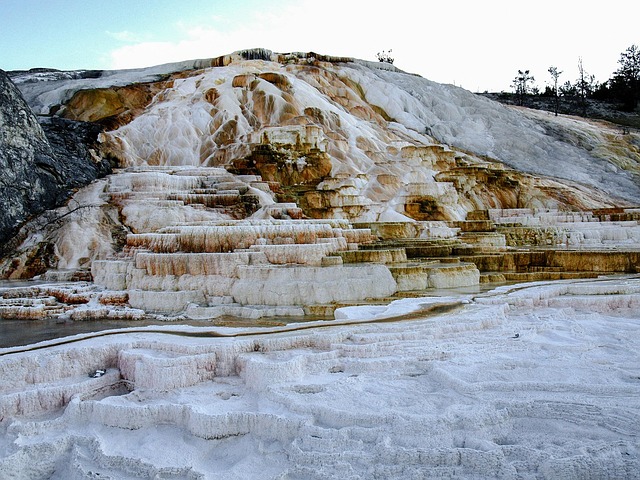
Mammoth Cave National Park offers adventurers a unique experience through its hidden entrances leading to vast underground passages and caverns. Beyond popular routes, explore ancient riverbeds for narrow passages showcasing geological history. Join guided tours for safety protocols and navigation techniques. Bring appropriate gear and maps to capture breathtaking mammoth canyon views and understand the park's formation and history. The park also provides diverse wildlife viewing opportunities with key attractions like majestic canyons hosting various species. Plan your trip strategically, considering park topography, guided tours, weather, and fitness levels to witness the grandeur of mammoth canyons naturally.
Mammoth Cave National Park, a vast underground network spanning nearly 400 miles of explored passages, stands as one of the world’s most spectacular geological wonders. Its intricate labyrinth, formed over millennia by the action of water, offers adventurers an unparalleled opportunity to explore what to see in mammoth—both above and below ground. However, navigating this vast expanse can be daunting for first-time visitors. This authoritative guide unveils a comprehensive visual map, meticulously detailing key features and landmarks within the park. By providing a clear roadmap, it empowers visitors to uncover hidden gems and immerse themselves in the profound beauty of Mammoth Cave’s subterranean realm.
- Exploring Mammoth Cave's Hidden Entrances
- Top 5 Must-See Landmarks Within the Park
- The History and Geology Behind Mammoth's Formations
- Wildlife Watching: What to Look For in Mammoth
- Practical Tips for Planning Your Mammoth Cave Adventure
Exploring Mammoth Cave's Hidden Entrances
Exploring Mammoth Cave’s Hidden Entrances
Mammoth Cave National Park is renowned for its vast network of underground passageways, a labyrinthine system that has captivated explorers and enthusiasts for centuries. Beyond the well-trodden paths and popular tour routes lies a world of hidden entrances, secret passages, and unexplored caverns waiting to be discovered. These lesser-known access points offer adventurers an opportunity to delve deeper into Mammoth’s mysterious depths, where stunning geological formations and unique ecological niches await. By venturing off the beaten path, visitors can experience the park in a whole new light, encountering breathtaking mammoth canyon views that are both awe-inspiring and historically significant.
One such hidden entrance lies within the park’s ancient riverbed, where erosive forces have carved out a series of narrow passages and vast chambers. These natural pathways provide a window into Mammoth’s past, revealing the gradual transformation of the landscape over millennia. Adventurers can navigate through these subterranean tunnels, using flashlights to illuminate the way and perhaps even discover previously uncharted areas. Along the way, they may encounter stalactites and stalagmites—the delicate, mineral-encrusted formations that take thousands of years to form—and gain a deeper understanding of the park’s geological history.
Practical insights for those seeking these hidden treasures are crucial. First-time cave explorers should consider joining guided tours to learn about safety protocols and navigation techniques. Maps and compasses are essential tools, as are appropriate clothing and gear. Exploring mammoth canyon views from various points within the cave system can enhance the experience, offering both breathtaking vistas and a deeper connection to Mammoth Cave’s natural wonders. By combining exploration with education, visitors can truly appreciate the park’s hidden gems and leave with unforgettable memories.
Top 5 Must-See Landmarks Within the Park
Exploring what to see in Mammoth is a thrilling endeavor, as the park offers a vast array of geological wonders and scenic vistas. Among the many highlights, these top 5 must-see landmarks within the park provide an unforgettable experience for any visitor. First, Mammoth Canyon stands out as one of the most iconic features, showcasing the raw power of nature with its steep walls and dramatic landscapes. The canyon offers not only breathtaking views but also a chance to learn about the geological history of the region.
Another must-visit is the Art Gallery Wall, a natural wonder where layers of sedimentary rock have been exposed over millions of years, creating an outdoor museum of sorts. This landmark provides a unique perspective on the park’s formation and offers photographers a stunning backdrop for memorable shots. For those seeking panoramic views, the Grand View Point provides a breathtaking overlook of the entire Mammoth region, with the vast expanse of the canyon and surrounding landscapes laid out before you.
The Devil’s Bridge is another standout feature, known for its impressive size and dramatic setting. This natural stone arch offers both cultural and historical significance, drawing visitors who are captivated by the stories of early settlers and the Native American tribes that once roamed these lands. Lastly, don’t miss the Mammoth Mountain Summit, where you can enjoy panoramic views from the top of the peak, offering a sense of accomplishment alongside breathtaking scenery—a perfect culmination to your exploration of what to see in Mammoth.
The History and Geology Behind Mammoth's Formations
Mammoth’s geological history is a captivating tale that unfolds in its dramatic landscapes and iconic formations. The region’s unique characteristics are shaped by millions of years of tectonic activity and erosional forces, creating a visually stunning natural wonderland. At the heart of this geological narrative lies Mammoth Canyon, a chasm carved by ancient rivers that now offers breathtaking views into the Earth’s past.
The canyon’s walls expose layers of rock, each telling a story of different eras. Geologists have identified formations dating back to the Precambrian period, showcasing the region’s deep history. One of the most notable features is the presence of metamorphosed sedimentary rocks, which were once laid down by ancient seas and later transformed by heat and pressure. These layers provide a window into the geological processes that have shaped Mammoth over millennia. The diverse rock types, including schist, gneiss, and marble, are a testament to the area’s complex past, where continental collisions and sea levels’ rise and fall have left their mark.
For those seeking to delve deeper into Mammoth’s natural history, exploring Mammoth Canyon offers a profound experience. Visitors can trace the course of ancient rivers that once carved through these rocks, marvel at the sheer scale of the canyon walls, and gain a deeper appreciation for the intricate dance of geology and time. Understanding what to see in Mammoth naturally starts with recognizing these geological wonders, which serve as both a historical record and a testament to the region’s enduring beauty.
Wildlife Watching: What to Look For in Mammoth
Mammoth offers a diverse array of wildlife viewing opportunities that cater to every level of naturalist. From iconic species like elk and bear to elusive birds and small mammals, this vast landscape provides ample chance for discovery. For those seeking specific experiences, focusing on what to see in Mammoth requires understanding the park’s unique ecosystems.
One of the key attractions is observing wildlife within the rugged mammoth canyon views that carved over millennia. These steep-sided canyons host a variety of creatures adapted to life in narrow spaces, from rock squirrels scampering along ledges to birds of prey circling overhead. Keep an eye out for mule deer, known for their agility and ability to navigate even the most inaccessible terrain. Early mornings and late afternoons are prime times to spot these animals feeding or moving between water sources.
Beyond the canyons, Mammoth’s diverse habitat supports a thriving population of black bears, grizzly bears, and mountain lions—all part of what to see in Mammoth. While bear encounters can be thrilling, it’s crucial to remember safe viewing practices. Maintaining a distance, never feeding wildlife, and storing food securely are essential precautions. Birdwatchers will find delight in the variety of avian life, from majestic golden eagles soaring overhead to colorful crossbills flitting among the pines. Keep an eye out for elusive species like the Northern Saw-whet Owl, which breeds within the park’s forests.
For the best wildlife viewing experiences, consider joining guided tours led by experienced naturalists who can point out hidden gems and provide insights into the behavior of local fauna. These knowledgeable experts can enhance your understanding of mammoth canyon views and what to see in Mammoth, ensuring a memorable and responsible wildlife adventure.
Practical Tips for Planning Your Mammoth Cave Adventure
Planning a trip to Mammoth Cave National Park requires more than just packing your hiking boots. To truly appreciate the vastness and beauty of this subterranean wonderland, visitors need a strategic approach that balances exploration with safety. One key aspect often overlooked is understanding what to see in Mammoth naturally—the unique geological formations, historical sites, and wildlife that make this park so special.
Start by familiarizing yourself with the park’s topography, which includes majestic mammoth canyons that offer breathtaking views at every turn. These stunning landscapes are not just visually captivating; they also serve as natural landmarks guiding your exploration. For instance, the iconic Mammoth Cave itself is a testament to millions of years of limestone erosion, showcasing intricate cave systems and mysterious tunnels. To fully grasp these features, consider embarking on guided tours that delve into the geological history and provide insights into the park’s complex ecosystem.
Practicality should also guide your itinerary. Mammoth Cave National Park boasts over 400 miles of explored passageways, making it imperative to plan your routes in advance. Utilize the park’s comprehensive maps and trail guides to determine suitable trails based on your fitness level and time constraints. Remember, some trails offer more challenging terrain than others; ensuring a fit that matches your adventurous spirit is crucial for an enjoyable experience. Additionally, check weather forecasts before setting out, as conditions can change rapidly in caves.
For those seeking the ultimate in visual satisfaction, don’t miss the opportunity to witness mammoth canyon views during your visit. These vistas, accessible through various trails and viewpoints, provide a panoramic perspective of the park’s grandeur. Whether you’re an experienced hiker or just beginning, understanding what to see in Mammoth naturally will enrich your experience, ensuring you leave with memories that last a lifetime.