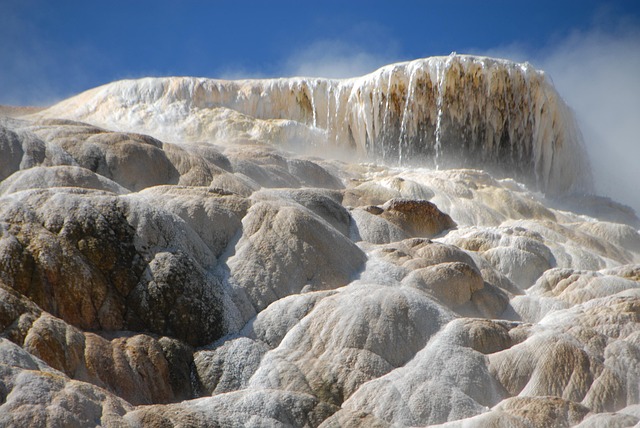
Mammoth offers stunning natural attractions, including Mammoth Canyon, showcasing geological history through erosion. The region boasts diverse ecosystems with lush forests, vibrant lakes, and abundant wildlife. For optimal viewing, plan hikes at sunrise or sunset. Exploring responsibly ensures these wonders remain preserved for future generations, providing a rich experience of what to see in Mammoth.
In an era dominated by sprawling urban landscapes, understanding what to see in mammoth rural settings has become a valuable skill for both professionals and enthusiasts alike. The intricate details and vastness of these environments demand a specific approach to observation, one that transcends mere visual scanning. This article delves into the art and science of navigating the rural landscape, providing insights into the hidden gems and essential elements to consider when exploring what to see in mammoth natural habitats. By leveraging the expertise of leading ecologists and field researchers, we offer practical guidance that not only enhances appreciation but also facilitates meaningful contributions to conservation efforts.
1
Exploring what to see in Mammoth, especially its breathtaking mammoth canyon views, offers a captivating journey through nature’s grandest spectacles. The area is renowned for its dramatic landscapes, where towering peaks meet rugged canyons, providing a visual feast for outdoor enthusiasts and photographers alike. One of the standout natural wonders is the majestic Mammoth Canyon, a geologically significant feature that showcases millions of years of erosion and tectonic activity. This canyon, carved by ancient rivers and streams, reveals layers of rock that paint a geological history, making it a treasure trove for geologists and nature lovers.
The visual allure of Mammoth doesn’t stop at canyons; the region boasts an array of natural attractions. From the majestic mountain ranges that encircle the area to the serene lakes reflecting vibrant autumnal colors, every turn presents a new panoramic view. Imagine hiking along trails that meander through lush forests, where the scent of pine fills the air and wildlife abounds. These immersive experiences offer not just visual stimulation but also a chance to immerse oneself in the tranquility and diversity of Mammoth’s ecosystems. For instance, the area is home to diverse plant species, from wildflowers dotting meadows to towering conifers, each contributing to the region’s distinctive visual character.
For those seeking exceptional mammoth canyon views, timing is key. Sunrise and sunset offer dramatic lighting conditions that enhance the already stunning scenery. During these magical hours, the warm glow casts long shadows, accentuating the rugged terrain and creating a sense of drama in every photograph. Local experts recommend planning hikes or drives to capture the canyons at their most picturesque. Additionally, exploring Mammoth’s natural wonders responsibly is paramount. Following established trails and respecting wildlife habitats ensures that future generations can also witness and appreciate what to see in Mammoth, preserving its natural beauty for all to enjoy.