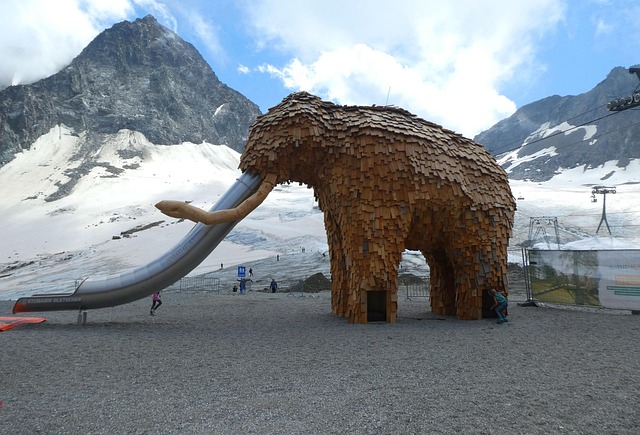
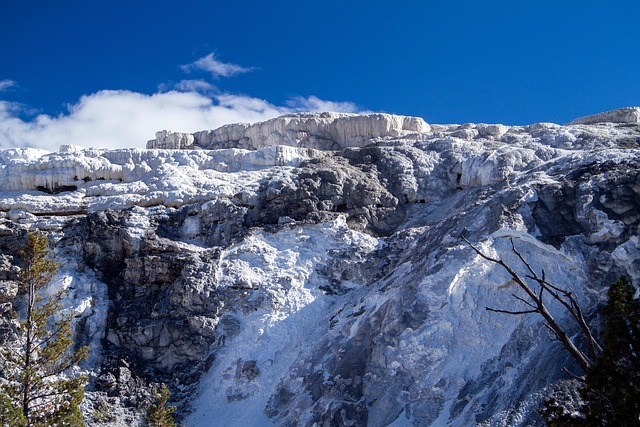
The Mammoth region is renowned for its breathtaking canyons, offering unique experiences and insights into Earth's 20-million-year history. To capture their essence, plan visits during strategic lighting periods—early morning or late afternoon—for optimal photography. Essential gear includes a wide-angle lens, tripod, neutral density filters, and telephoto lens. Incorporate geological formations and wildlife for dynamic shots. Explore less trafficked areas for solitude. What to see in Mammoth naturally encompasses these diverse experiences, providing endless opportunities to capture nature's beauty at various times of day.
The vast landscapes of Mammoth offer unparalleled opportunities for capturing breathtaking photography, attracting both seasoned and aspiring nature photographers alike. These majestic vistas, characterized by towering cliffs, cascading rivers, and vibrant wildflowers, present a captivating canvas for artistic expression. However, navigating the best locations to capture what to see in Mammoth’s natural splendor can be daunting for newcomers. This article serves as a comprehensive guide, providing expert insights on the most scenic spots, unique photography techniques tailored to the region’s challenges, and practical tips to ensure memorable and high-quality images. Whether you’re an experienced photographer or just starting, this resource promises to elevate your Mammoth photo adventures.
- Discovering Mammoth's Hidden Canyon Wonders
- Best Times to Capture Stunning Canyon Scenery
- Essential Gear for Canyon Photography Adventures
- Unlocking the Secrets of Natural Canyon Beauty
Discovering Mammoth's Hidden Canyon Wonders
The Mammoth region, renowned for its vast wilderness and geological wonders, harbors a hidden gem that often goes unnoticed by casual visitors—its breathtaking canyons. These natural chasms, carved over millennia by rivers and erosional forces, offer a unique perspective on the area’s rugged beauty. For those seeking to discover what to see in Mammoth’s hidden canyon wonders, this exploration promises an unforgettable experience.
The most remarkable aspect of these canyons is their accessibility. Many are located within close proximity to popular tourist destinations and hiking trails. One such example is the scenic gorge known as “The Slot,” a narrow chasm that offers a challenging yet rewarding hike. This trail meanders through towering sandstone walls, providing visitors with a sense of awe and connection to the Earth’s ancient history. The diverse flora and fauna native to these canyon environments add to their allure, making them hotspots for nature enthusiasts.
Geologists estimate that some of these canyons are over 20 million years old, testifying to the area’s dynamic geological past. Understanding this context enriches one’s appreciation for what to see in Mammoth’s canyons. For instance, the intricate layering of rock formations reveals millions of years of environmental change, from ancient seas to arid deserts. These natural wonders not only captivate the imagination but also serve as valuable resources for scientific study. Mammoth Canyon views, both panoramic and intimate, offer a window into Earth’s tumultuous history and the delicate balance of nature that has persevered over millennia.
Best Times to Capture Stunning Canyon Scenery
Capturing breathtaking canyon views in Mammoth is a photographer’s dream, but timing is key to unlocking the best moments. The natural beauty of these landscapes changes dramatically across seasons, offering diverse opportunities for stunning imagery. For those seeking to photograph Mammoth Canyon vistas at their most captivating, understanding the optimal times of day and year is essential.
Morning hours, just after sunrise, are particularly rewarding. During this time, the morning light bathes the canyon walls in warm, golden hues, accentuating the textures and colors of the rock formations. This soft lighting creates a serene atmosphere, making it ideal for capturing majestic scenes without harsh shadows. Additionally, the early start allows you to beat the crowds, ensuring a more peaceful experience and better access to scenic viewpoints. In summer months, sunrise around 6:30 AM provides ample daylight for exploring various photo spots along the canyon rim.
Conversely, late afternoons, just before sunset, offer another magical hour. As the sun dips lower, the light becomes softer and warmer, casting long shadows that add depth to your photographs. This period is especially enchanting in winter when the snow-capped peaks contrast beautifully with the warm tones of the setting sun. For example, during Mammoth’s famous December through March snowfall, a late afternoon shot of the canyon against a vibrant orange sky can be truly spectacular.
Mammoth’s diverse landscapes also offer year-round opportunities. Spring brings wildflower blooms that enhance the canyon’s vibrancy, while fall colors create dramatic contrasts. However, for consistently spectacular views, early morning and late afternoon remain the best times to visit, regardless of the season. By planning your visits during these periods, photographers can ensure they capture not only stunning visuals but also the unique character of Mammoth Canyon at its most photogenic.
Essential Gear for Canyon Photography Adventures
Canyon photography demands a specific set of tools to capture the grandeur and depth of these majestic formations. Whether you’re aiming for breathtaking landscapes or intricate geological details, having the right gear is essential. The vastness of canyons presents unique challenges; from managing dynamic lighting to finding the perfect composition, every aspect requires careful consideration. For instance, when photographing Mammoth Canyon, renowned for its spectacular views, a wide-angle lens becomes indispensable, allowing you to capture both the expansive expanse and intricate textures in a single frame.
Beyond basic photography equipment, several specialized items enhance your canyon photography adventures. A sturdy tripod is crucial for low-light conditions often found in canyons, enabling sharper images despite slower shutter speeds. Neutral density (ND) filters allow for longer exposure times during bright hours, smoothing water or creating ethereal effects on rock faces. Additionally, a high-quality telephoto lens opens doors to capturing detailed close-ups of distant landmarks or wildlife.
Remember, what makes a great canyon photograph isn’t just about the equipment; it’s also about understanding your subject—the canyon itself. Knowing when and where light hits the landscape can transform an ordinary shot into a masterpiece. For those seeking to capture the mystical allure of Mammoth Canyon views at their best, planning during the golden hour, that magical period shortly after sunrise or before sunset, is key. This time offers a warm, soft light that adds depth and dimension, enhancing your photographic opportunities multiple times over.
Unlocking the Secrets of Natural Canyon Beauty
Unlocking the Secrets of Natural Canyon Beauty
Mammoth canyons offer a captivating array of photo opportunities for both amateur and professional photographers alike. What sets these natural wonders apart is their ability to showcase dramatic landscapes that seem plucked from a fantasy world. From towering cliffs to cascading waterfalls, every turn presents a new and breathtaking vista. To truly capture the essence of mammoth canyon views, it’s essential to understand the unique light and shadows that play across the scenery at different times of day. Dawn and dusk, for instance, offer soft, warm lighting ideal for showcasing textures and contours without harsh shadows.
In locations like Grand Canyon National Park or Zion National Park, photographers can find intricate formations that tell stories of millions of years of geological upheaval. These structures not only provide stunning backdrops but also serve as a testament to the power and perseverance of nature. Incorporating wildlife into canyon photos can add another layer of depth and authenticity. Animals like deer or eagles, when captured against the vast canvas of canyon walls, can convey a powerful sense of coexistence with the environment.
Practical insights for maximizing these photo ops include bringing a tripod for low-light conditions, using a wide-angle lens to capture expansive views, and experimenting with different exposure settings to balance highlights and shadows. For those seeking unique perspectives, exploring less trafficked areas or waiting for off-peak seasons can yield breathtaking solitude. Whether you’re photographing at sunrise, sunset, or in the quiet of night, what to see in mammoth canyons offers endless opportunities to capture the awe-inspiring beauty of nature.