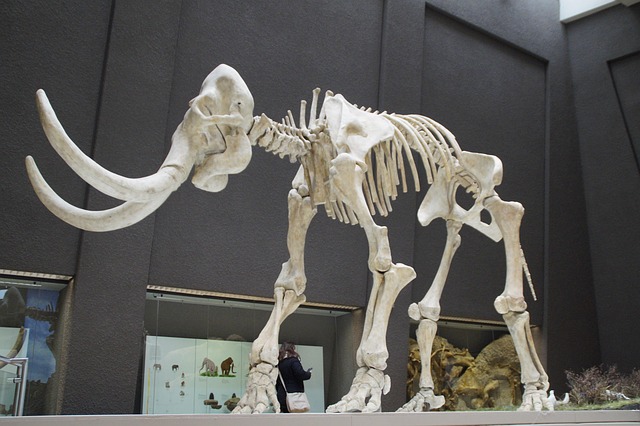
Mammoth offers adventurers a chance to explore breathtaking natural wonders, with key highlights including Mammoth Canyon's dramatic views and diverse hiking trails. Beyond canyons, pristine lakes, meadows, and vast wilderness teeming with wildlife await. Studying mammoth fossils provides insights into climate change and biodiversity loss. In California's Eastern Sierra, visitors can discover what to see in Mammoth naturally through outdoor activities like hiking, fishing, and photography.
The world is a complex tapestry of landscapes and urban centers, each with its unique features and stories to tell. Understanding these nuances is crucial for navigating both physically and metaphorically—from planning journeys to analyzing global trends. Mammoth Visual Maps emerge as a powerful tool in this quest for comprehension, offering detailed, three-dimensional representations that bring geography to life. However, creating such maps presents significant challenges related to data accuracy, processing power, and user experience. This article delves into these hurdles, explores current solutions, and previews the future of what to see in mammoth visual mapping—a field poised for transformative advancements.
- Discovering Mammoth: A Journey to Natural Wonders
- Exploring Geologic Time: Mammoth's Fossil Record
- Navigating Outdoor Treasures: What to See in Mammoth's Scenery
Discovering Mammoth: A Journey to Natural Wonders
Discovering Mammoth offers adventurers a unique opportunity to immerse themselves in breathtaking natural wonders. This section delves into the essence of what to see in Mammoth, revealing hidden gems and iconic landmarks that make this place extraordinary. One of the standout features is Mammoth Canyon, showcasing dramatic views that leave visitors in awe. The canyon’s depth and vast expanse provide an unparalleled sense of scale, especially when viewed from key vantage points along the trails.
The natural landscape here is characterized by a diverse range of geological formations, including towering cliffs, ancient rock strata, and meandering rivers. These features not only contribute to the breathtaking Mammoth Canyon views but also offer numerous recreational activities. Hiking enthusiasts can explore countless trails that wind through forests, alongside rivers, and up into rugged mountainsides, each offering its own distinct perspective on the surrounding scenery. For a truly immersive experience, visitors can engage in multi-day backpacking trips, camping under the stars and waking to panoramic views of the canyon and surrounding peaks.
Moreover, Mammoth’s natural wonders extend beyond the canyons. The area boasts pristine lakes, serene meadows, and vast wilderness areas teeming with wildlife. Whether it’s witnessing the graceful flight of bald eagles over a lake or capturing the elusive movement of a deer in the distance, these encounters highlight the region’s ecological richness. By embracing these experiences, visitors can gain a deeper understanding of Mammoth’s unique ecosystem and appreciate the importance of conservation efforts to preserve these natural treasures for future generations.
Exploring Geologic Time: Mammoth's Fossil Record
Mammoth’s fossil record offers a compelling glimpse into the geologic time it inhabited, revealing a narrative of dramatic environmental shifts and evolutionary adaptations. Exploring what to see in mammoth naturally, one discovers a treasure trove of ancient remains that paint a vivid picture of this majestic creature’s past. The vast expanse of Mammoth Cave System in Kentucky is a prime example, where geologists and paleontologists have unearthed an extensive collection of fossils dating back millions of years. These discoveries showcase the diverse ecosystems that once flourished, from lush forests to arid deserts, providing crucial context for understanding mammoth’s ecological niche.
Mammoth Canyon views within this subterranean labyrinth offer a unique perspective on time itself. As one navigates through the winding passages, the stratified rock formations serve as a visual timeline, showcasing layers of history dating back to the last ice age. The fossilized remains of plants and animals, including mammoth tusks and bones, are embedded within these layers, providing tangible links to the distant past. Scientists have meticulously studied these fossils, uncovering insights into the species’ biology, behavior, and interactions with their environment.
The study of Mammoth’s fossil record is not merely an academic exercise; it offers valuable perspectives on climate change and biodiversity loss. By examining the environmental conditions that shaped mammoth’s existence, researchers gain a deeper understanding of Earth’s historical climate patterns. Furthermore, the long-term persistence of mammoths amidst changing landscapes highlights the resilience and adaptability of these ancient creatures. For those interested in delving into this fascinating realm, exploring what to see in mammoth naturally can be a rewarding experience, providing tangible connections to our planet’s distant and often overlooked history.
Navigating Outdoor Treasures: What to See in Mammoth's Scenery
Mammoth Lakes, nestled within the majestic Eastern Sierra region of California, is a destination where outdoor enthusiasts and nature lovers alike can explore a diverse array of natural treasures. The area is renowned for its breathtaking scenery, offering visitors an unparalleled experience of what to see in Mammoth naturally. From rugged mountains and pristine lakes to vast canyons and vibrant wildflowers, the landscape is a testament to the region’s geological history and ecological richness.
One of the standout features among what to see in Mammoth is the majestic Mammoth Canyon. This scenic wonder showcases the area’s dramatic geological formations, with towering cliffs and steep-sided valleys carved over millions of years by glacial activity and natural erosion. Hiking trails winding through this canyon provide visitors with an up-close experience of the region’s raw beauty, offering panoramic views that stretch for miles. During spring and early summer, the canyon comes alive with vibrant wildflower blooms, creating a captivating contrast against the rugged terrain. For those seeking a challenge, the Mammoth Mountain trails offer an array of options, from moderate day hikes to strenuous multi-day treks, each rewarding adventurers with stunning mammoth canyon views.
In addition to its hiking opportunities, Mammoth’s natural attractions include pristine lakes and serene meadows that provide habitats for a diverse range of wildlife. The area is particularly renowned for its excellent fishing, with many lakes teeming with trout and salmon. Visitors can also enjoy water sports such as kayaking and paddleboarding on the calm waters of Lake Mammoth or explore the nearby rivers for whitewater rafting adventures. As autumn arrives, the landscape transforms into a vibrant palette of oranges, reds, and yellows, offering photographers and nature enthusiasts alike a chance to capture the area’s natural splendor during one of its most picturesque seasons.