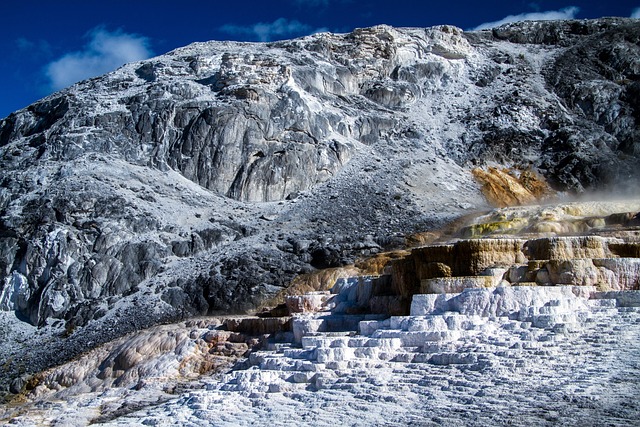
Mammoth Lakes presents a photographer's dream with diverse landscapes offering endless opportunities for every skill level. Key destinations include Mammoth Canyon, ideal for capturing towering peaks, waterfalls, and wildflowers during spring or fall. Explore trails like the John Muir Trail for unique perspectives and intricate details. Local art galleries showcase various interpretations of what to see in Mammoth naturally, inspiring new techniques and perspectives. Combining outdoor adventures with artistic insights elevates photographers' work and captures lasting memories of Mammoth's natural wonders.
The vast landscapes of Mammoth offer unparalleled opportunities for captivating photography, attracting both seasoned professionals and enthusiastic amateurs alike. However, navigating the best spots to capture the area’s stunning vistas can be overwhelming, with countless possibilities stretching from majestic mountains to serene alpine lakes. This guide aims to empower photographers of all levels by providing a comprehensive overview of what to see in Mammoth naturally, highlighting hidden gems, iconic landmarks, and seasonal variations that transform the region into an ever-changing canvas for artistic expression. By the end, you’ll be equipped with the knowledge to explore these breathtaking locations and create unforgettable visual memories.
- Exploring Mammoth's Natural Wonders: A Fotographer's Guide
- Top Canyon Locations for Stunning Visuals in Mammoth
- Capturing the Unique Geology: What to Look For
- Timing Your Visit: Best Seasons for Canyon Photography
- Tips and Equipment for Breathtaking Canyon Shots
Exploring Mammoth's Natural Wonders: A Fotographer's Guide
Mammoth Lakes offers photographers an unparalleled opportunity to capture the raw, breathtaking beauty of nature. The area’s diverse landscapes, from towering peaks to majestic canyons, present countless photo ops that cater to every skill level and interest. For those seeking to explore Mammoth’s natural wonders through their lens, this guide provides a roadmap to some of the most captivating sights.
One of the standout destinations is Mammoth Canyon, where the sheer scale and dramatic scenery offer both inspiring foregrounds and vast backdrops. Photographers can capture the rugged terrain, cascading waterfalls, and vibrant wildflowers that flourish in this natural paradise. The best time to visit is during the spring or fall when the weather is mild and the canyon comes alive with color. Early morning and late afternoon are particularly magical times for photography as the warm, soft light casts long shadows, enhancing the depth and texture of the scene.
For those looking to capture unique perspectives, exploring Mammoth’s numerous trails provides access to hidden viewpoints. The John Muir Trail, for instance, offers a challenging yet rewarding trek that culminates in breathtaking panoramic views of the canyon. Along the way, photographers can capture intricate details like moss-covered boulders, cascading streams, and wildlife in their natural habitat. Incorporating these elements into compositions allows for compelling narrative images that tell stories of Mammoth’s untamed beauty.
In addition to these outdoor adventures, local art galleries and photo exhibitions also offer insights into how other artists interpret what to see in Mammoth naturally. Visiting these spaces can inspire new techniques and perspectives, encouraging photographers to explore beyond the obvious subjects. By combining their own experiences with the artistic vision of others, they can elevate their work and create lasting memories of Mammoth Lakes’ extraordinary natural wonders.
Top Canyon Locations for Stunning Visuals in Mammoth
Mammoth offers a stunning array of canyon views that are truly breathtaking, providing some of the most spectacular natural photo ops in the area. For those seeking to capture the essence of Mammoth’s rugged beauty, these top canyon locations are must-visits. The key is to time your visit right—both during the golden hour for that perfect light and when the weather conditions create dramatic skies. One standout spot is Canyon View Park, which offers a panoramic perspective of the surrounding canyons with the town nestled below. This location is particularly magical at sunrise or sunset, when the warm hues contrast against the stark rock formations.
Another notable site is The Narrows, a narrow slot canyon accessible by foot or vehicle. Its rugged terrain and towering cliffs create an otherworldly scene, perfect for adventurous photographers looking to showcase Mammoth’s raw natural beauty. The Mammoth Mountain summit also provides breathtaking vistas, allowing you to capture not only the majestic canyons but also the vastness of the surrounding mountains and valleys. For a truly epic view, consider hiking to Agate Lake, nestled deep within the canyon system. The crystal-clear lake surrounded by towering peaks offers a serene yet dramatic backdrop for your photography.
In addition to these renowned spots, Mammoth’s less explored canyons provide equally impressive photo opportunities. Keep an eye out for hidden trails leading into narrow passageways and hidden glens that can offer unique perspectives. Remember, what to see in Mammoth naturally varies with the seasons—fall brings vibrant colors, while spring reveals new life among the flora. By understanding these variations, you can plan your visits accordingly and ensure you capture the most stunning mammoth canyon views.
Capturing the Unique Geology: What to Look For
Capturing the Unique Geology: What to Look For
When planning a photography trip to Mammoth Canyon, understanding what makes its landscapes so spectacular is crucial for capturing stunning images. The canyon is a testament to millions of years of geological processes, showcasing layers of rock that tell stories of ancient seas, rivers, and volcanic activity. Among the most striking features are the exposed fault lines and rock formations, which offer not just breathtaking views but also unique photographic opportunities.
One of the key elements to look for in Mammoth Canyon are the dramatic overhangs and cliffs, often created by erosion along faults. These natural arches and pinnacles can serve as stunning backdrops or focal points in your photos. The interplay of light and shadow on these geological features adds depth and drama. Additionally, the canyon’s walls are adorned with a variety of rock types, from smooth, rounded pebbles to jagged, angular slabs, providing diverse textures for close-up photography.
Mammoth Canyon views also offer a chance to capture the area’s vibrant plant life in contrast with the raw, untamed landscape. Wildflowers bloom in season, adding splashes of color that enhance the geological beauty. Keep an eye out for unique rock formations that have been carved over time by water and wind, known as hoodoos or columnar basalt. These natural wonders not only make for captivating photographs but also highlight the area’s remarkable natural history.
To maximize your photo opportunities, consider visiting during various times of day—the golden hour (just after sunrise or before sunset) offers soft light that can turn a good shot into a great one. Additionally, utilizing a tripod is essential for capturing detail in low-light conditions and preventing blurry images due to the terrain’s constant movement.
Timing Your Visit: Best Seasons for Canyon Photography
Timing your visit for optimal canyon photography is crucial to capturing the breathtaking landscapes of Mammoth. The best seasons offer a unique blend of light, weather, and natural spectacle that enhance what to see in Mammoth Canyon.
Spring (March-May) presents a dramatic canvas with snowmelt gradually revealing vibrant wildflowers. This season’s gentle sunlight paints the canyon walls with warm hues, creating striking contrasts against the green vegetation and still-flowing rivers. However, unpredictable weather means rain could interrupt your plans, so be prepared for changing conditions.
Summer (June-August) is peak photography season in Mammoth. The long daylight hours provide ample time to explore and capture the majestic canyon views. Warmer temperatures encourage wildflowers’ bloom, filling the scene with color. While this is a popular time, early morning or late afternoon visits can avoid the crowds for more intimate shots.
Fall (September-November) offers a different allure, as the canyon transforms into a kaleidoscope of colors. The changing foliage against the rugged terrain creates a visually stunning contrast that photographers adore. Mammoth Canyon views during these months are often less crowded, providing opportunities for solitude and unique compositions.
Tips and Equipment for Breathtaking Canyon Shots
Capturing breathtaking canyon shots requires a blend of technical skill, strategic planning, and an eye for composition. Whether you’re aiming to showcase the grandeur of Mammoth Canyon or any other natural wonder, understanding what to see in mammoth landscapes is key. The first step begins with choosing the right equipment—a high-quality camera equipped with a wide-angle lens is essential for capturing vast vistas. Additionally, consider using a tripod to avoid blurry images due to camera shake, especially during low-light conditions.
One of the most important aspects is to arrive at the canyon during the golden hours—just after sunrise or just before sunset. During these times, sunlight is warm and soft, creating stunning contrasts between light and shadow. This natural illumination can dramatically enhance the depth and color of your photographs. For example, in Mammoth Canyon, the interplay of warm afternoon sun against the cool, dark rocks can produce striking visual effects.
Composition plays a vital role in making your canyon shots pop. Use leading lines—such as roads or rivers—to draw viewers’ eyes into the photograph. Incorporate foreground elements like rocks or trees to provide context and depth. And don’t be afraid to experiment with different angles; a low-to-the-ground perspective can add a unique twist to your images, emphasizing the vastness of the canyon. For instance, shooting from below along the rim trail in Mammoth Canyon can offer a captivating view of the expansive landscape unfolding before you.