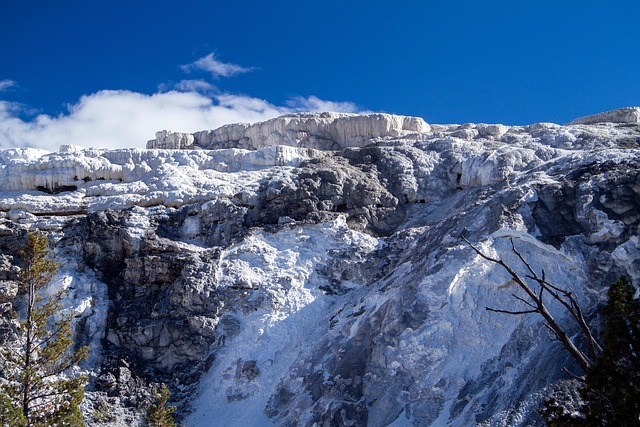
Mammoth Canyon's desert mining history has shaped its landscape and community. The Desert Mining Walk offers a unique exploration of contrasting arid terrain and rich geological history, showcasing ancient riverbeds, glacial deposits, mineral diversity, and breathtaking canyon views. Safety precautions include proper gear, hydration, and staying on marked trails. Unregulated mining poses environmental risks, necessitating conservation efforts through community engagement, research, and responsible ecotourism to preserve the delicate ecosystem for future generations, emphasizing what to see in Mammoth naturally.
The vast expanses of the American desert hold secrets beneath their parched surfaces, offering a captivating glimpse into our nation’s history through the remnants of past mining efforts. Among these, the Desert Mining Walk in Mammoth stands as an exceptional destination for those interested in understanding what to see in mammoth naturally—the physical evidence left behind by early settlers and miners. This article delves deep into the significance of such historical sites, unravels the challenges associated with their preservation, and offers a comprehensive solution to ensure these unique treasures remain accessible for generations to come.
- Understanding Desert Mining: History and Techniques
- Exploring Mammoth's Natural Wonders: A Geological Journey
- The Equipment and Safety Measures for a Desert Mining Walk
- Environmental Impact and Conservation Efforts in Natural Settings
Understanding Desert Mining: History and Techniques
Desert mining, a practice as old as human civilization itself, has shaped landscapes and communities across arid regions for millennia. In the American Southwest, particularly within Mammoth Canyon, visitors can witness firsthand the unique blend of history and ingenuity that defines desert mining techniques. Understanding this ancient art is essential to appreciating what to see in Mammoth naturally—the physical and cultural remnants left behind by generations of miners.
The history of desert mining in Mammoth Canyon dates back centuries, with Native American tribes utilizing local resources for tools, weapons, and ceremonial objects. These early practitioners employed simple yet effective methods, such as hand-chipping stone from solid rock formations and using wooden tools to extract valuable materials. As the demand for minerals grew, so did the scale of mining operations. In the late 19th century, gold rushes drew prospectors to Mammoth, leading to the development of more sophisticated techniques, including water diversion systems for crushing ore and separating precious metals. Today, visitors exploring Mammoth Canyon can still see evidence of these historical efforts, from remnants of old mine shafts to vast piles of tailings—the processed waste left behind by miners.
One of the most striking aspects of desert mining in Mammoth is the adaptation of techniques to the challenging arid environment. Miners ingeniously harnessed limited water resources, often using irrigation channels to transport precious mineral-rich sediments from upstream areas. These water diversion systems not only facilitated mining but also created stunning landscapes, with meandering canals cutting through rugged terrain and providing vital habitats for local flora and fauna. The interplay of human ingenuity and natural beauty is a recurring theme in Mammoth Canyon views—a testament to the enduring impact of desert mining practices.
For those seeking to understand the depth of this historical endeavor, exploring abandoned mines and observing the remnants of old equipment offers valuable insights. Geologists and history enthusiasts alike can study the unique geological formations that once attracted miners, while naturalists can appreciate the ecological resilience of these once-mined areas. By delving into the history of desert mining in Mammoth Canyon, visitors gain a deeper appreciation for what to see—not just the physical landmarks but also the stories of human perseverance and innovation etched into the very fabric of this remarkable location.
Exploring Mammoth's Natural Wonders: A Geological Journey
Mammoth Lakes offers an unparalleled opportunity for exploration of its natural wonders, particularly through a geological lens. One of the most captivating experiences is the Desert Mining Walk, where visitors embark on a journey that unveils the area’s unique and diverse landscape. This trail, situated in the heart of the eastern Sierra Nevada mountains, provides a window into the eons-old geological processes that have shaped Mammoth Canyon and its surroundings.
The walk begins amidst the stark beauty of a desert terrain, where visitors are immediately struck by the contrast between the arid environment and the rich geological history hidden beneath the surface. As you progress, the trail reveals ancient riverbeds and glacial deposits, offering insights into the area’s aquatic past. One of the standout features is the display of crystalline minerals that have been exposed through erosion, showcasing the region’s mineral diversity. These exposures are not merely scientific curiosities; they illustrate the intricate dance between water, wind, and ice over millions of years.
Along the way, hikers are treated to breathtaking views of Mammoth Canyon, providing a dynamic perspective on the geological story. The canyon walls, carved by rivers and glaciers, exhibit layers of rock that tell the tale of different eras, from ancient sea beds to towering mountain ranges. This is where the beauty of Mammoth’s natural wonders truly comes alive, as visitors can witness firsthand the intricate interplay between earth and time. Understanding these formations offers a deeper appreciation for the region’s resilience and ever-changing landscape, making the Desert Mining Walk an indispensable experience for those eager to delve into Mammoth’s geological heritage.
The Equipment and Safety Measures for a Desert Mining Walk
When embarking on a Desert Mining Walk, particularly within Mammoth’s vast landscapes, proper equipment and safety measures are paramount to ensure a rewarding and secure experience. This includes rugged, lightweight clothing suitable for extreme heat, sun protection gear such as wide-brimmed hats and high-SPF sunscreen, and robust footwear designed for hiking in sandy terrain. Additionally, bring ample water and food supplies, as well as a first aid kit to address any minor injuries that may occur.
One of the key pieces of equipment for this endeavor is a metal detector. Given the vast expanses of sandy soil, a metal detector can help you uncover historical artifacts and hidden treasures left behind by previous miners, offering a unique glimpse into Mammoth’s past. Moreover, ensure your metal detector is equipped with appropriate coils designed for detecting objects beneath loose debris, which is prevalent in desert mining walks.
Safety comes first when venturing into the desert. Always inform someone of your planned route and expected return time before setting out, and stay on designated trails to avoid getting lost or encountering potentially hazardous terrain. The vastness of Mammoth Canyon views can be both awe-inspiring and disorienting; keeping a clear mental map of your surroundings is crucial. Furthermore, hydration is paramount in the desert heat; aim for at least one liter of water per hour spent walking, especially during peak temperatures. By adhering to these precautions and being prepared with the right equipment, you’ll not only enjoy a safe Desert Mining Walk but also have a chance to witness the breathtaking mammoth canyon views that this region offers.
Environmental Impact and Conservation Efforts in Natural Settings
The environmental impact of desert mining activities is a critical aspect often overlooked when exploring unique geological features like Mammoth Natural Settings. While these settings offer breathtaking landscapes and opportunities for exploration, such as the renowned Desert Mining Walk, it’s crucial to understand the delicate balance between human curiosity and nature’s preservation. This walk, situated in an expansive canyon, provides visitors with a chance to witness firsthand the dramatic effects of erosion and the subsequent formation of natural wonders.
The vast canyon walls, carved over millennia by wind and water, showcase the raw power of nature. However, this very process also poses risks; excessive mining or unregulated exploration can lead to significant ecological disruption. Conserving these areas requires a thoughtful approach that educates visitors about responsible practices. For instance, staying on designated trails minimizes the impact on delicate ecosystems, ensuring that future generations can still admire the majestic Mammoth Canyon views without trampling on its fragile terrain.
Conservation efforts in such natural settings often involve community engagement and scientific research. By studying the unique flora and fauna of these regions, experts can implement strategies to protect endangered species and maintain the overall health of the ecosystem. The key lies in balancing ecotourism initiatives with conservation, ensuring that visitors leave only footprints while contributing positively to the preservation of what makes places like Mammoth so remarkable. This delicate equilibrium allows for a sustainable experience, encouraging responsible exploration and appreciation of nature’s marvels.