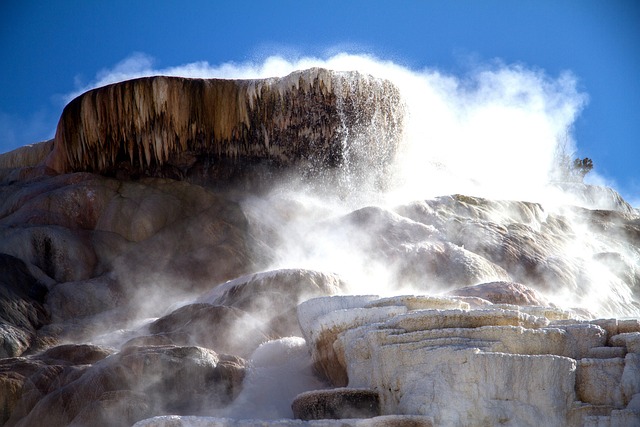
The Desert Mining Walk in Mammoth Canyon reveals geological marvels, showcasing ancient riverbeds, mineral-rich formations, and hidden gems. These walks, found globally, display nature's raw power through intricate canyon views and vibrant mineral veins. Responsible desert mining requires advanced techniques and sustainable practices, balancing resource extraction with environmental conservation, leveraging traditional knowledge for harmony between mining and preservation for future generations. What to see in Mammoth includes stunning landscapes and valuable mineral deposits, demanding careful stewardship for both economic viability and environmental sustainability.
The American West is a land of dramatic contrasts, where towering mountains meet sprawling deserts, and among these landscapes lies a hidden historical treasure waiting to be discovered: the Desert Mining Walk in Mammoth, California. This remote region encapsulates the enduring legacy of mining, showcasing both its environmental impact and the ingenuity of past pioneers. The walk offers a unique opportunity to delve into the history of hardrock mining while exploring the geological wonders that have shaped this rugged terrain. By understanding the what, why, and how of desert mining, visitors gain insights not only into the challenges faced by early settlers but also the delicate balance between human industry and natural preservation, highlighting what to see in Mammoth’s pristine surroundings.
- Understanding the Desert Mining Walk: A Unique Geologic Wonder
- Locating Mammoth's Natural Treasures: What to See
- The Process Unveiled: How Minerals Form in Arid Lands
- Exploring Sustainable Practices: Mining's Impact on the Environment
Understanding the Desert Mining Walk: A Unique Geologic Wonder
The Desert Mining Walk is a remarkable geological phenomenon that offers visitors a unique glimpse into the intricate interplay between nature and time. This stunning sight, found in various arid regions worldwide, is characterized by expansive expanses where rivers, over centuries, have carved out breathtaking canyons and left behind remnants of their journey—mammoth mining walks. Understanding what to see in these environments requires delving into the processes that shape them.
The formation of desert mining walks begins with the action of water. During rainy periods or snowmelt, rivers cut through rock layers, often revealing a diversity of minerals and precious metals. As water flows over and around obstacles, it picks up speed and carries away sediment, leaving behind harder materials. Over time, these processes create intricate patterns, forming steep-sided canyons and sinuous paths that twist and turn across the desert landscape. These mammoth canyon views are not just visually striking; they also provide access to rich mineral deposits, making them historically significant sites for mining activities.
One of the most captivating aspects of desert mining walks is the variety of textures and colors on display. From rugged rock faces to glistening minerals, these environments offer a sensory experience that is both awe-inspiring and educational. For instance, in some areas, the walks may showcase exposed veins of gold or silver, providing tangible evidence of the region’s historical mineral wealth. Geologists and amateurs alike can spend hours exploring these formations, studying the layering of rocks and the unique markings left by water erosion.
To fully appreciate what to see in desert mining walks, it is essential to approach them with a mindset of patience and curiosity. Hiking along these paths allows visitors to witness firsthand the power of nature’s artistry. The best times to visit are during dawn or dusk when light conditions are favorable for capturing stunning photographs of the rugged terrain. Additionally, planning ahead by checking local weather forecasts and bringing adequate water and sun protection is crucial for a safe and enjoyable experience, ensuring that visitors can fully immerse themselves in these remarkable natural wonders, including the breathtaking mammoth canyon views they offer.
Locating Mammoth's Natural Treasures: What to See
The Desert Mining Walk offers a unique opportunity to explore the geological wonders hidden within Mammoth’s vast expanse. As you venture into this captivating trail, you’ll be treated to an array of natural treasures that showcase the area’s rich history and diverse landscapes. Among the highlights, visitors can expect to discover ancient riverbeds that once carried majestic rivers now long dried up, revealing layers of rock that tell stories of bygone eras. These formations offer a glimpse into Mammoth’s past, where massive water flows carved out canyons and left behind remarkable deposits of minerals and gemstones.
One of the most striking features along the trail are the vibrant mineral veins that line the walls, displaying colors ranging from deep reds to bright oranges—a testament to the area’s geological diversity. Geologists believe these veins were formed millions of years ago when molten rock pushed its way through cracks in the earth’s crust, depositing valuable minerals like quartz and feldspar. Moreover, the walk provides access to hidden crevices and caves where precious gemstones, such as amethyst and citrine, have been found glittering in the dim light.
For those seeking breathtaking views, Mammoth Canyon offers panoramic vistas that stretch for miles, showcasing the rugged beauty of the surrounding mountains and valleys. At certain points along the walk, visitors can enjoy these majestic canyon views, providing a sense of perspective on the vastness of the desert landscape. The Desert Mining Walk is not just about what to see; it’s an immersive experience that invites you to connect with the raw power and enduring beauty of nature in Mammoth.
The Process Unveiled: How Minerals Form in Arid Lands
The vast, arid landscapes of deserts have long been shrouded in mystery, their mineral-rich secrets hidden beneath the scorching sun. But for geologists and mining enthusiasts, these seemingly barren regions hold a treasure trove of resources waiting to be unveiled. This article delves into the fascinating process of desert mining, specifically exploring how minerals form in arid lands and what makes them valuable enough to attract significant investment.
The story begins with understanding that many of the world’s most sought-after minerals have their origins in extreme environments like deserts. Over millions of years, these regions undergo complex geological transformations. For instance, when rainwater scarce, evaporative forces concentrate minerals left behind by ancient rivers and lakes. This process, known as desertification, results in the deposition of vast quantities of valuable elements such as copper, gold, silver, and rare earth metals. These minerals become trapped within sedimentary rock layers, often forming massive deposits that can span hundreds of kilometers.
One of the most striking examples is found in the iconic Mammoth Canyon, where immense mineral wealth lies beneath the arid surface. The canyon’s formation over millennia has exposed layers of ancient rock, revealing a rich tapestry of geological history. Here, minerals are not only concentrated but also easily accessible due to the unique erosion patterns carved by wind and water. Mining operations in such areas must carefully navigate these natural wonders while ensuring sustainable practices to preserve the mammoth canyon views that serve as both a testament to nature’s power and an indicator of human impact on the environment.
The process of extracting these precious resources involves a combination of advanced technology and traditional mining methods tailored to arid conditions. Surface mining techniques, such as open-pit mining, are often employed in deserts due to the ease of accessing mineral-rich deposits. Additionally, modern technologies like satellite imagery and geophysical surveys play crucial roles in identifying potential mining sites. Once located, careful planning is required to minimize environmental impact while maximizing resource recovery. Understanding what to see in mammoth naturally occurring formations ensures efficient and responsible desert mining practices, ultimately contributing to a sustainable future for both industry and the environment.
Exploring Sustainable Practices: Mining's Impact on the Environment
Desert mining presents a complex dilemma for environmental stewardship. While providing valuable resources essential for modern life, it often exacts a heavy toll on the fragile ecosystems found in arid regions, such as Mammoth Canyon. The unique geological formations and biodiversity thriving within these canyons highlight the need for sustainable practices in the mining industry.
Exploring what to see in mammoth naturally reveals a delicate balance between resource extraction and conservation. Mammoth Canyon views are not merely scenic; they serve as barometers for the health of arid ecosystems. Historical data shows that conventional mining techniques can lead to significant habitat destruction, water pollution, and soil erosion. For instance, open-pit mining operations often leave behind scarred landscapes, with eroded banks and altered river flows. However, there is a growing movement towards more responsible mining practices, focusing on minimizing environmental impact while maximizing resource recovery.
Sustainable mining practices in mammoth canyons involve careful planning and innovative techniques. One promising approach involves reclaiming mined areas through revegetation programs, which aim to restore native plant species and stabilize the soil. Additionally, implementing advanced water management strategies can mitigate pollution risks by treating mining wastewater before discharge. These methods not only preserve the breathtaking views of Mammoth Canyon but also ensure a more sustainable future for local communities and biodiversity.
Environmental experts emphasize the importance of comprehensive impact assessments and community engagement in decision-making processes. By involving local stakeholders, including Indigenous populations with deep traditional ecological knowledge, mine operators can identify potential issues early on and develop tailored mitigation strategies. Embracing these principles fosters a harmonious relationship between mining activities and the preservation of naturally magnificent locations like Mammoth Canyon, ensuring both economic viability and environmental sustainability for future generations to enjoy.