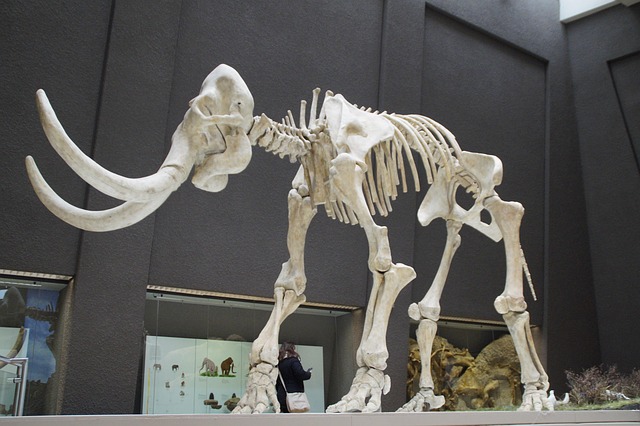
Mammoth showcases diverse landscapes, historical sites, and resilient communities. To fully appreciate its natural wonders (what to see in Mammoth naturally), visitors should plan ahead, engage with local knowledge, appreciate the environment, and capture the essence of light and shadow. Immersing in local culture through festivals, museums, and guided hikes deepens connections with residents and their history intertwined with the canyon. By embracing patience, open-mindedness, and support for sustainable tourism, visitors contribute to preserving these precious sites for future generations.
In an era defined by rapid urbanization and digital connectivity, the allure of rural landscapes remains undeniable. From breathtaking natural wonders to culturally rich communities, what to see in mammoth naturally beckons adventurers and enthusiasts alike. However, navigating these vast, often unseen territories presents challenges, from accessibility to understanding their unique ecosystems. This guide aims to empower both seasoned explorers and curious newcomers by offering a comprehensive insight into the heart of rural areas. We delve into the intricate web of landscapes, wildlife, and cultural heritage that makes these regions not just visually stunning but also vital for global biodiversity and human heritage.
- Understanding Rural America's Unique Landscapes
- Exploring Cultural Heritage Sites in Remote Areas
- Discovering Nature's Wonders in Unspoiled Territories
- Engaging with Local Communities: What to See in Mammoth
Understanding Rural America's Unique Landscapes
Rural America boasts a breathtaking tapestry of landscapes that are as diverse as the communities that call them home. Understanding these unique terrains is key to appreciating the beauty and challenges faced by those who live, work, and thrive in these areas. One standout example lies in Mammoth, a region renowned not only for its majestic scenery but also for its profound impact on the national narrative of rural life.
The grandeur of Mammoth Canyon views offers a window into the essence of rural America. This natural wonder, carved over millennia by swift-flowing rivers and fierce winds, showcases the raw power of nature. The canyon’s walls, sculpted from ancient rock, stand as testament to the region’s geological history. These dramatic vistas not only captivate visitors but also serve as a vital resource for local ranchers, providing both scenic beauty and practical considerations for livestock grazing. The interplay between these mammoth canyon views and human settlement highlights the symbiotic relationship between rural communities and their environments.
Moreover, Mammoth offers insights into sustainable land management practices that have shaped its landscape. Local farmers and ranchers have long understood the delicate balance required to nurture the land while ensuring its longevity. These practices, often passed down through generations, demonstrate a deep connection to the land and a commitment to preserving its integrity. By studying these landscapes and the human stories entwined within them, we gain valuable perspectives on environmental stewardship, community resilience, and the enduring spirit of rural America.
Exploring Cultural Heritage Sites in Remote Areas
Exploring Cultural Heritage Sites in Remote Areas requires a deep dive into the unique tapestry of mammoth’s past, where each turn reveals a new layer of history. For those seeking authentic experiences, understanding what to see in Mammoth and its surroundings is paramount. This region boasts breathtaking landscapes that double as testaments to human settlement over millennia, making it an ideal destination for cultural heritage enthusiasts.
Mammoth Canyon offers some of the most striking views, with its rugged terrain carving out a space that has witnessed the evolution of both nature and human culture. Geologic evidence suggests the canyon’s formation stretches back millions of years, serving as a canvas for understanding the area’s deep-rooted history. Walking these paths allows visitors to connect directly with ancestral sites, petroglyphs, and artifacts that tell stories of early communities who made this place their home.
Practical insights are key to maximizing one’s experience. Researching local historical societies or cultural centers can yield valuable information about guided tours or events centered around heritage sites. These initiatives often provide deeper context and ensure visitors engage respectfully with sacred spaces. Moreover, understanding the environmental conditions specific to remote areas – like varying weather patterns – is essential for preparing both physically and mentally.
For instance, a visit to Mammoth’s historic mining towns offers glimpses into the region’s past as a hub for resource extraction, while Native American cultural centers provide insights into the ongoing traditions of indigenous peoples. Integrating these experiences seamlessly requires patience, open-mindedness, and a genuine appreciation for preserving cultural legacies. By embracing these principles, visitors can contribute positively to the conservation of rare and precious sites like Mammoth Canyon views, ensuring they remain accessible for generations to come.
Discovering Nature's Wonders in Unspoiled Territories
In the heart of unspoiled territories, nature reveals its most profound wonders, inviting adventurers and enthusiasts to explore what lies beyond the urban hustle. For those seeking breathtaking vistas and untouched landscapes, venturing into rural areas promises experiences that foster a deep connection with the natural world. This is where the essence of discovery unfolds, unveiling majestic scenes that leave lasting impressions. One such example is the exploration of Mammoth Canyon, a hidden gem offering unparalleled views that can only be fully appreciated in their natural setting.
Mammoth territories are characterized by an array of awe-inspiring sights, from towering peaks to pristine rivers and diverse wildlife. Understanding what to see in these areas requires an appreciation for the delicate balance of ecosystems and geological processes that have shaped them over millennia. Hiking through such landscapes not only provides opportunities for physical exertion but also fosters a profound sense of environmental stewardship. For instance, visitors to Mammoth Canyon can witness the intricate dance of light and shadow as sunlight filters through the dense canopy, creating an atmosphere ripe for reflection and wonder.
To truly embrace these experiences, it’s essential to plan ahead. Researching local guidelines and regulations ensures responsible exploration. Engaging with knowledgeable guides or joining community-led initiatives offers deeper insights into the unique challenges and rewards of preserving these natural wonders. Whether witnessing the majestic canyon views from a distance or venturing closer for an up-close encounter with wildlife, every interaction contributes to a holistic understanding of what makes these places truly remarkable. By embracing this mindset, visitors can become stewards of these unspoiled territories, ensuring their beauty endures for future generations to discover and appreciate.
Engaging with Local Communities: What to See in Mammoth
Engaging with local communities is a cornerstone of any successful exploration of what to see in Mammoth, a town nestled within breathtaking landscapes and rich cultural heritage. To truly grasp the essence of this region, visitors must delve beyond the surface and immerse themselves in its vibrant fabric. One of the most rewarding aspects of experiencing Mammoth is witnessing firsthand the strong bond between residents, their history, and the natural environment that surrounds them. This connection is evident in everything from local art galleries showcasing landscapes of Mammoth Canyon views to the thriving farmers’ markets where growers sell direct to consumers, fostering a food culture rooted in sustainability.
When exploring what to see in Mammoth, it’s essential to seek out these authentic experiences. Visiting the historical sites and museums offers insights into the town’s past, from its beginnings as a logging community to its evolution as a popular mountain resort. Engaging with local artisans and craftspeople provides a glimpse into the present, where tradition meets innovation. For instance, many local artists draw inspiration from the majestic Mammoth Canyon views, capturing their beauty in various mediums, from paintings to sculptures. This artistic spirit is further evident in the numerous art galleries and workshops scattered throughout town, showcasing not just the talent of individual artists but also the collective creativity of the community.
For an immersive understanding of what to see in Mammoth, consider joining local tours or participating in community events. Guided hikes through Mammoth Canyon offer opportunities to connect with naturalists who can share stories about the flora and fauna indigenous to the area. Community festivals, such as the annual Mammoth Music Festival, bring together residents and visitors alike, celebrating the region’s rich cultural heritage. These interactions not only deepen your appreciation for what to see in Mammoth but also contribute to the local economy by supporting small businesses and promoting sustainable tourism practices that benefit both residents and visitors.
Ultimately, engaging with local communities is about more than just checking off sights; it’s about forging meaningful connections and leaving a positive impact. By embracing the spirit of what to see in Mammoth—its resilience, creativity, and deep-rooted love for its natural surroundings—visitors can create lasting memories that extend far beyond their time in town. These experiences become part of a broader narrative, one that underscores the importance of preserving not just scenic landscapes like Mammoth Canyon views but also the vibrant communities that call them home.